
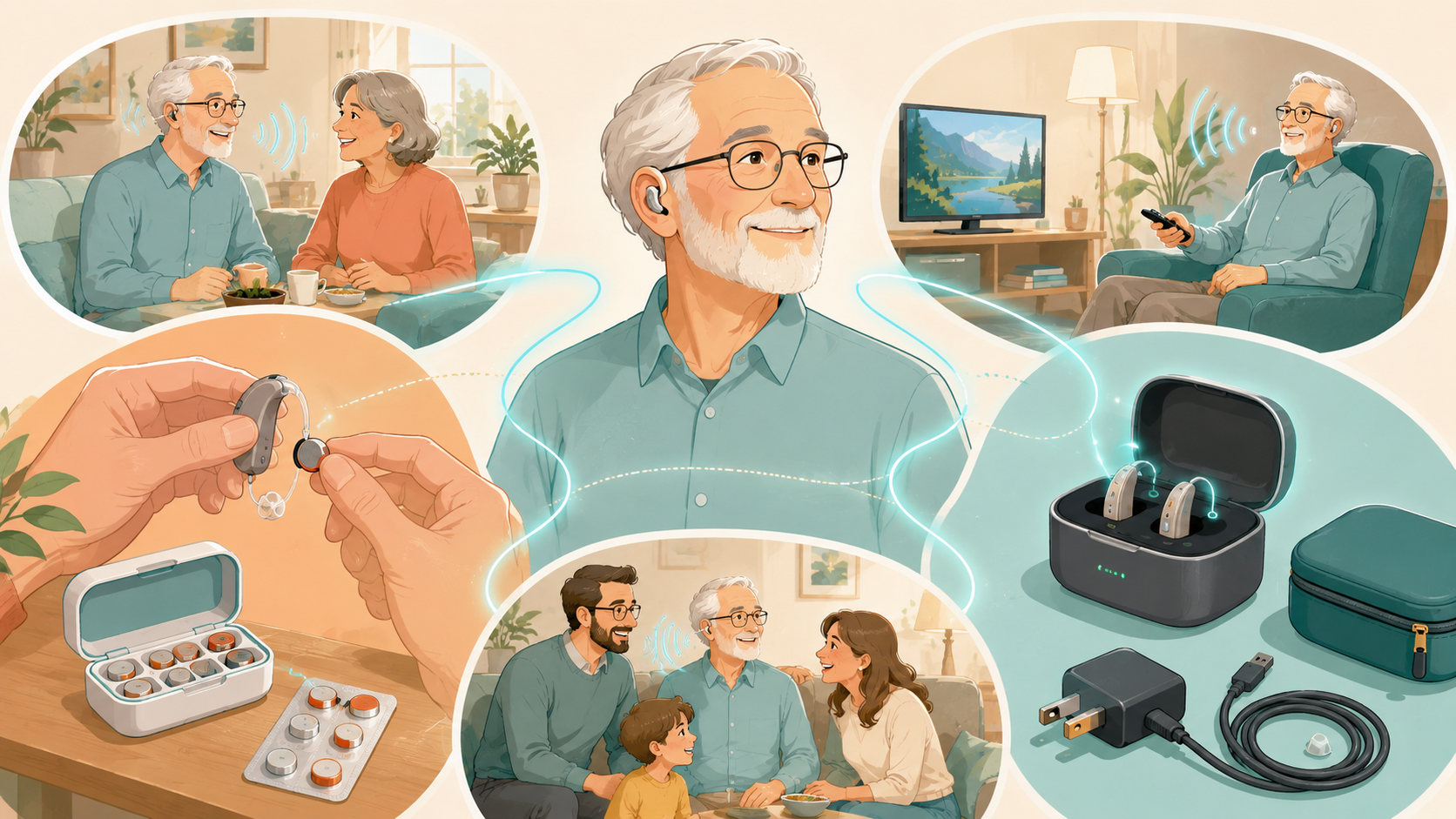
Maximising Your Hearing Aid Battery Life: Tips and Tricks

Hearing aid batteries are small but vital. They power the technology that allows you to hear clearer conversations, enjoy music and stay connected. Yet many people feel frustrated when their batteries seem to drain too quickly or fail at inconvenient times.
The good news is that a few simple habits can make a big difference in maximising your hearing aid battery life.
Why Hearing Aid Battery Life Matters
Hearing aids are designed to improve quality of life, but poor battery performance can undermine that goal. If your batteries die partway through a dinner, meeting or favourite TV programme, it can be both frustrating and isolating.
Short battery life also adds cost and inconvenience because batteries must be replaced or recharged more often.
Types of Hearing Aid Batteries
Hearing aid batteries generally fall into two categories: disposable zinc-air batteries and rechargeable lithium-ion batteries. Each type has its own advantages and maintenance requirements.
Disposable zinc-air batteries
These traditional batteries use oxygen from the air to activate the zinc inside. They are small, lightweight and typically last between 3 and 10 days, depending on the hearing aid, battery size and usage patterns. When the small protective tab is removed, air activates the battery. From that point, the battery begins to discharge even if the hearing aid is not in use.
Pros of disposable zinc-air batteries
- Widely available in sizes 10, 13, 312 and 675
- Long shelf life when stored properly
- No charging equipment needed
- Suitable for people who do not use their hearing aids every day
Cons of disposable zinc-air batteries
- Shorter use time, requiring frequent replacement
- Tab removal can be fiddly
- Performance can drop in cold or dry environments
Rechargeable lithium-ion batteries
Rechargeable hearing aids contain sealed batteries that can be recharged hundreds of times. Many models offer 24–30 hours of power on a single charge, with some providing up to 37 hours depending on features and streaming usage. Portable charging cases often include power banks for several additional recharges, making them convenient for travel. Some high-end chargers incorporate UV cleaning and gentle drying to maintain hygiene.
Pros of rechargeable lithium-ion batteries
- No need to handle tiny disposable batteries
- Consistent performance even in cold or dry conditions
- Environmentally friendly, with reduced waste
- Many models offer quick-charge options, such as 30 minutes for 8 hours of use
Cons of rechargeable lithium-ion batteries
- Higher upfront cost
- Requires access to power for charging
- Internal battery may need replacing after several years
Hybrid solutions and power banks
Some charging cases combine a charger with a power bank. For example, premium portable chargers may provide up to three full recharges without mains power. Other accessories include portable battery packs or turbo chargers that deliver several hours of use in minutes, which can be invaluable during travel or power cuts.
Knowing your battery type, and how your hearing aids manage power, is the first step to extending their life. Let’s explore practical tips to get the most out of both disposable and rechargeable batteries.
Need help choosing or maintaining your hearing aid batteries?
Proper battery care can make daily life easier, but sometimes you need personalised advice. Auzen’s audiologists can help you decide whether to switch to rechargeable devices or select accessories that extend your battery life.
Essential Hearing Aid Battery Care Tips

1. Store batteries correctly
For disposable zinc-air batteries, keep them unopened in a cool, dry place. Excess heat or humidity can shorten their shelf life. Do not refrigerate hearing aid batteries, as temperature extremes can damage them. Avoid carrying loose batteries in pockets or bags where they might come into contact with metal objects, which could cause them to discharge prematurely.
For rechargeable hearing aids: use the matching charger provided with your hearing aids. Third-party chargers may not provide the correct voltage and could damage the battery. Keep your charger in a clean, dry location. Many modern chargers include a protective lid and retainers to keep the hearing aids secure during charging. If your charger includes UV cleaning or drying, let it complete the cycle. Moisture and debris can reduce performance and cause corrosion over time.
2. Follow the 60-second activation rule
For zinc-air batteries, removing the plastic tab activates the battery by letting air in. Wait about 60 seconds before placing the battery into your hearing aid. This allows the voltage to stabilise, ensuring the battery delivers power efficiently from the start. Skipping this step can shorten battery life.
3. Turn your hearing aids off when not in use
It sounds obvious, but many users forget to switch their hearing aids off overnight. For disposable batteries, opening the battery door breaks the circuit and reduces power drain. It also helps dry out any moisture that may have built up inside. Rechargeable hearing aids should be placed into their chargers at night. If you occasionally need to remove them for a nap, switching them off will prevent unnecessary drain.
4. Keep batteries and contacts clean
Moisture, earwax and dust can prevent batteries from making good contact. For zinc-air batteries, wipe the battery compartment with a clean, dry cloth or brush when changing batteries and remove any debris from the battery contacts.
For rechargeable hearing aids, clean the charging contacts on both the hearing aid and charger base. Auzen’s ear care kit includes cleaning spray, wipes and brushes designed for this purpose. A UV-cleaning charger can reduce bacterial buildup, helping maintain hygiene and performance.
5. Avoid extreme temperatures
Extreme heat or cold can reduce battery performance. Do not leave hearing aids or spare batteries on a car dashboard or near radiators. In cold weather, keep spare batteries inside a pocket close to your body to keep them warm until use.
6. Minimise streaming when possible
Bluetooth streaming for phone calls and music is convenient, but it uses more power. If you know you will be away from a charger for a long time, consider reducing streaming or using external accessories such as a TV streamer or remote microphone. These devices send audio directly to the hearing aids and may use less battery power than streaming via a smartphone.
7. Carry spares or a portable charger
If you rely on disposable batteries, keep a few extras in a protective case in your handbag, briefcase or car. If you use rechargeable hearing aids, a portable power bank or a turbo charger can provide emergency power on the go. Many chargers now include built-in power banks capable of three full recharges.
8. Replace batteries together
For hearing aids with two disposable batteries, replace both at the same time. Mixing new and used batteries can lead to uneven power distribution and shorter overall life.
9. Check for software updates
Modern hearing aids sometimes receive firmware updates via the companion app. Manufacturers occasionally release updates that improve energy efficiency or fix minor bugs. Ask your audiologist if any updates are available and how to install them.
Disposable vs Rechargeable: Which Is Best for You?
Choosing between disposable and rechargeable hearing aids depends on lifestyle, dexterity and convenience. To help you decide, here is a table comparing key aspects of both battery types.
| Feature | Disposable zinc-air batteries | Rechargeable lithium-ion batteries |
|---|---|---|
| Typical use time | 3–10 days per battery, depending on size and usage | 24–30 hours per charge, with some models up to 37 hours |
| Charging or replacement routine | Remove tab, wait 60 seconds, insert, then replace when depleted | Place hearing aids into the charger overnight or as needed; portable chargers can help during travel |
| Upfront cost | Low; batteries are inexpensive individually | Higher cost for rechargeable devices and chargers initially |
| Ongoing cost | Ongoing purchase of new batteries | Minimal; occasional battery replacement after several years |
| Environmental impact | Creates waste and should be recycled safely | Fewer batteries used, making them more eco-friendly |
| Ease of use | Requires handling small batteries, which may be challenging for those with limited dexterity | No small parts, often easier for people with dexterity issues |
| Performance in extreme temperatures | Can be affected by cold or dry conditions | More stable performance |
| Suitability | Good for occasional hearing aid users or those without reliable access to power | Ideal for daily users, active lifestyles or those who prefer convenience |
Explore hearing aid accessories for longer battery life
Ready to make your batteries last longer? Explore Auzen’s accessories to find portable chargers, remote microphones, TV adapters, domes, filters and more. If you are unsure which accessory suits your hearing aids, book a free appointment with an Auzen audiologist before purchasing.
How Hearing Aid Accessories Can Extend Battery Performance

Certain accessories, such as remote microphones, TV adapters and portable chargers, can help you manage battery usage more effectively.
Remote microphones
Remote microphones allow you to hear a speaker clearly in noisy environments without increasing the hearing aid volume. This can reduce energy consumption during social events.
TV and phone adapters
TV and phone adapters stream audio directly to your hearing aids, which may be more efficient than using built-in Bluetooth streaming via your phone.
Turbo chargers and power banks
Turbo chargers and power banks offer emergency power or a quick boost when your batteries run low. Some devices provide several hours of use from just a few minutes of charging.
Cleaning kits
Cleaning kits help remove earwax and moisture. Clean battery contacts and hearing aids use less power and maintain better performance.
When selecting accessories, ensure they are compatible with your hearing aids. Auzen offers a wide range of accessories and can advise which products suit your needs.
Environmental and Storage Tips for Longer Battery Life
Reduce moisture exposure
Moisture can damage batteries and hearing aids. Remove your hearing aids before showering or swimming, store them in a dry place overnight, use the drying function if your charger or case has one, and consider a dehumidifier or drying capsule if you live in a humid climate or perspire frequently.
Avoid unventilated storage
Store spare batteries in their original packaging. Do not seal them in an airtight bag or container. Zinc-air batteries need ventilation; sealing them can cause them to discharge prematurely.
Use the correct battery size
Hearing aids require specific battery sizes. Using the wrong size can damage the battery compartment or cause the device to malfunction. Battery types 10, 13, 312 and 675 have different colour-coded tabs: yellow for 10, orange for 13, brown for 312 and blue for 675. When buying batteries or storage cases, ensure the correct size.
Observe the expiration date
Disposable batteries lose capacity over time. Use them before their expiration date for best performance. Store older batteries at the front of your supply so you use them first.
Advanced Battery Life Hacks
Keep spare batteries warm in cold weather
In very cold conditions, battery voltage can drop. Keeping spare batteries in your pocket near your body can help maintain their temperature and performance. Rechargeable hearing aids usually perform better in cold weather, but still avoid leaving them in unheated cars or outdoors.
Wait five minutes after removing old batteries
Before inserting fresh zinc-air batteries, leave the battery compartment open for five minutes. This allows residual moisture to evaporate. Moisture trapped in the compartment can reduce the performance of a new battery.
Use manufacturer-recommended cleaning kits
Avoid household cleaning solutions or alcohol wipes, which can damage delicate components. Instead, use cleaning sprays, wipes and brushes specifically designed for hearing aids. Auzen’s Mono and Stereo Care Kits include these essentials, making it easier to keep your devices performing well.
Monitor streaming and volume settings via apps
Most modern hearing aids offer smartphone apps that allow you to check battery levels, adjust settings and track hours of use. Monitoring these metrics can help you understand which activities drain your batteries most and plan accordingly.
Auzen’s Support for Batteries and Accessories

Auzen understands that hearing care does not end after the purchase. Every hearing aid comes with Auzen’s ear care package: a matching charger, a hearing aid cleaning kit with earwax filters, wipes, cleaning spray and domes, a four-year manufacturer warranty, a 30-day money-back guarantee, and unlimited remote fitting sessions with a qualified Auzen audiologist.
In addition, Auzen offers a curated selection of accessories to enhance battery life and listening comfort. Whether you need a portable charger, remote microphone, TV adapter, domes, filters or a care kit, an Auzen professional can help you find what works for your hearing aids.
Need personalised help with hearing aid batteries?
Whether your hearing aids drain too quickly, your charger isn't working as expected, or you want to compare rechargeable and disposable options, an Auzen audiologist can help you find the most practical solution for your daily life.
Want your hearing aids to last comfortably all day?
Schedule Your Free ConsultationOur audiologists can help you understand your hearing aid power needs, compare rechargeable and disposable options, and choose compatible accessories that fit your lifestyle.
Explore Our Full Range of Hearing AidsConclusion
Maximising your hearing aid battery life is less about complicated tricks and more about good habits. Storing batteries correctly, allowing them to activate fully, keeping devices clean and dry, and turning them off when not in use all make a real difference.
Understanding the pros and cons of disposable and rechargeable options helps you choose what suits your lifestyle, while portable chargers and accessories add convenience for travel or emergencies. By caring for your batteries thoughtfully, you reduce frustration, save money and ensure clear hearing for longer periods.
Remember that professional support is always available. If you have concerns about battery performance or want to explore rechargeable options, Auzen’s audiologists can help. We also ensure your hearing aids are adjusted correctly, which can improve battery efficiency. Trust your hearing care to a specialist and enjoy the sounds that enrich your life.
FAQs
1. How long do hearing aid batteries typically last?
Disposable zinc-air batteries usually last between 3 and 10 days, depending on the size, the hearing aid’s power consumption, how often you stream audio, and environmental conditions. Rechargeable batteries often provide 24–30 hours per charge and up to 37 hours on some models.
2. Why does my hearing aid battery drain faster when I stream music or calls?
Bluetooth streaming requires the hearing aid to process more data and transmit audio continuously. This added workload can significantly increase power consumption, reducing overall battery life. Using external streaming accessories can sometimes be more efficient.
3. Should I switch to rechargeable hearing aids?
Rechargeable devices offer convenience and less waste, making them popular. However, they require regular charging and may cost more initially. Disposable batteries suit people who use hearing aids infrequently or lack reliable access to power. Talk to an audiologist to decide what best fits your routine and budget.
Medical Disclaimer: This article is for informational purposes only and does not constitute medical advice. If you are concerned about your hearing or hearing aid performance, please consult a qualified audiologist or your GP.

Leave a comment
This site is protected by hCaptcha and the hCaptcha Privacy Policy and Terms of Service apply.